
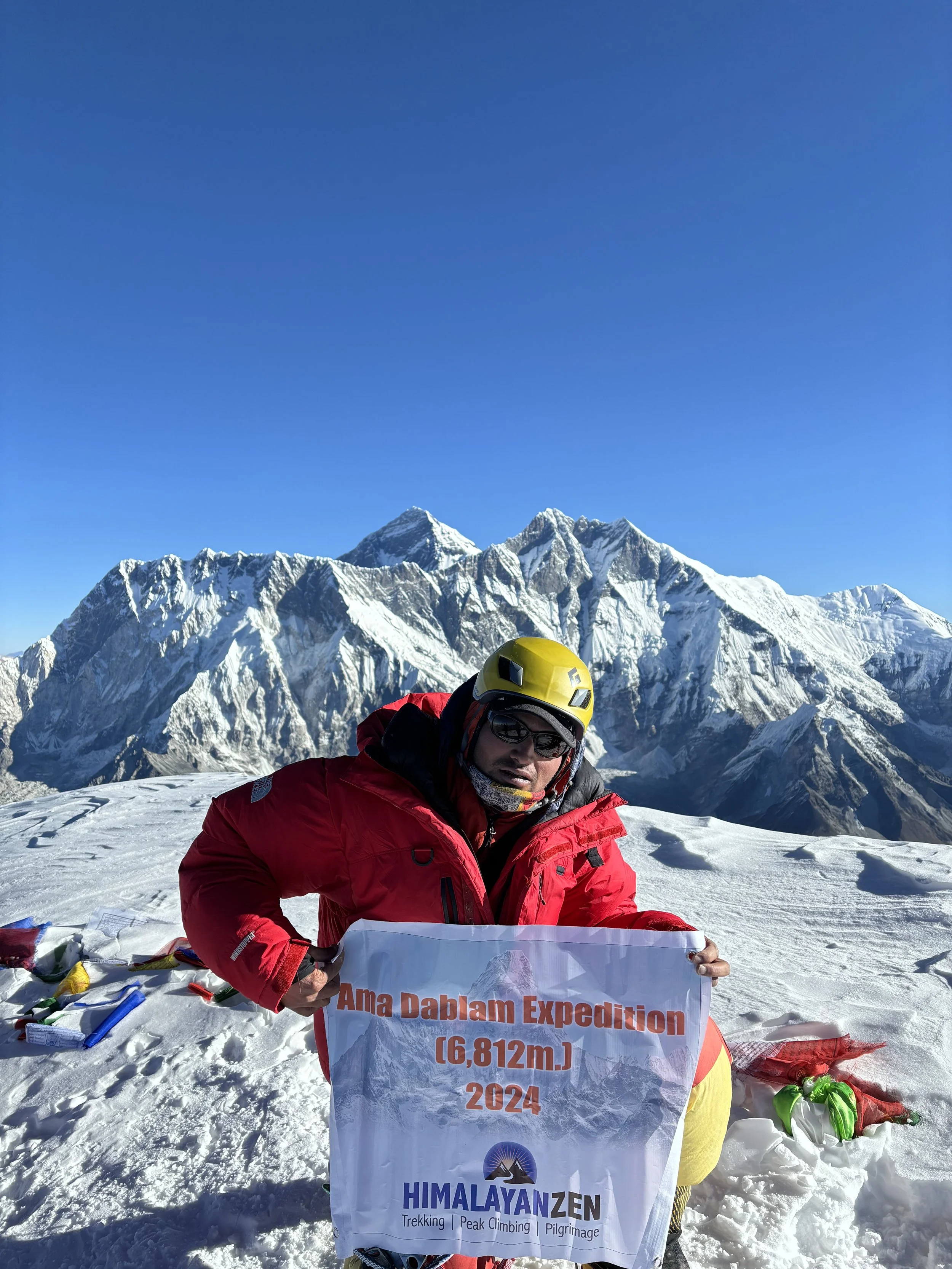
Ama Dablam Expedition — 6,812m
The world's most beautiful mountain. A technical southwest-ridge climb through rock, ice and snow, with summit views of Everest, Lhotse and Makalu.
Begin AscentOverview
Nestled in Nepal's Khumbu region, Ama Dablam is a stunning pyramid-shaped peak celebrated for its beauty and technical climbing challenges. The southwest ridge — its usual route — offers a demanding ascent through rock, ice and snow, with breathtaking views of Everest, Lhotse and Makalu from the summit. More than a climb, Ama Dablam is a journey of adventure, skill and human spirit.
The Beautiful Peak
Ama Dablam's distinctive hanging glacier and pyramid silhouette make it the most photographed mountain in the Khumbu after Everest itself.
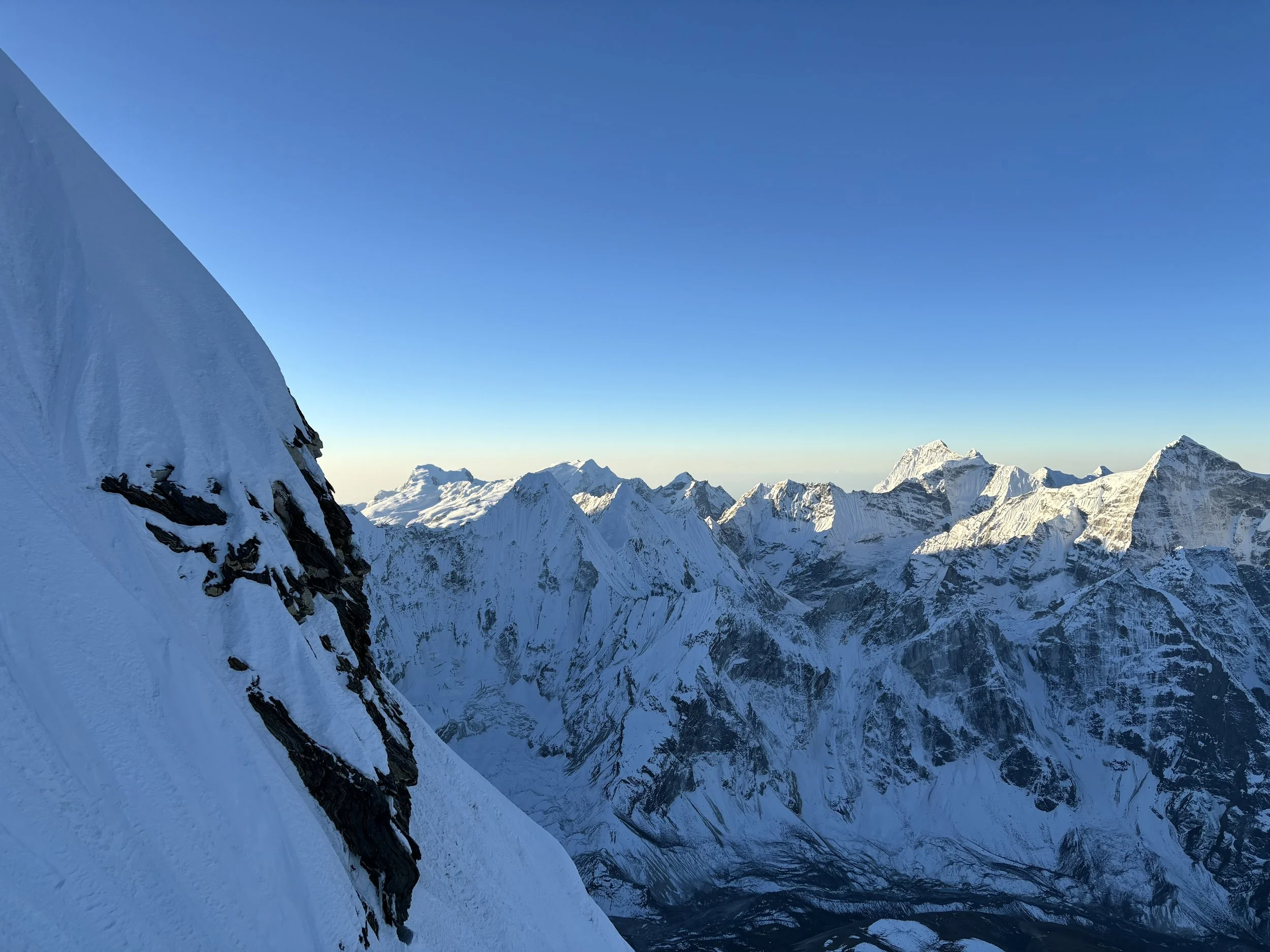
Technical Southwest Ridge
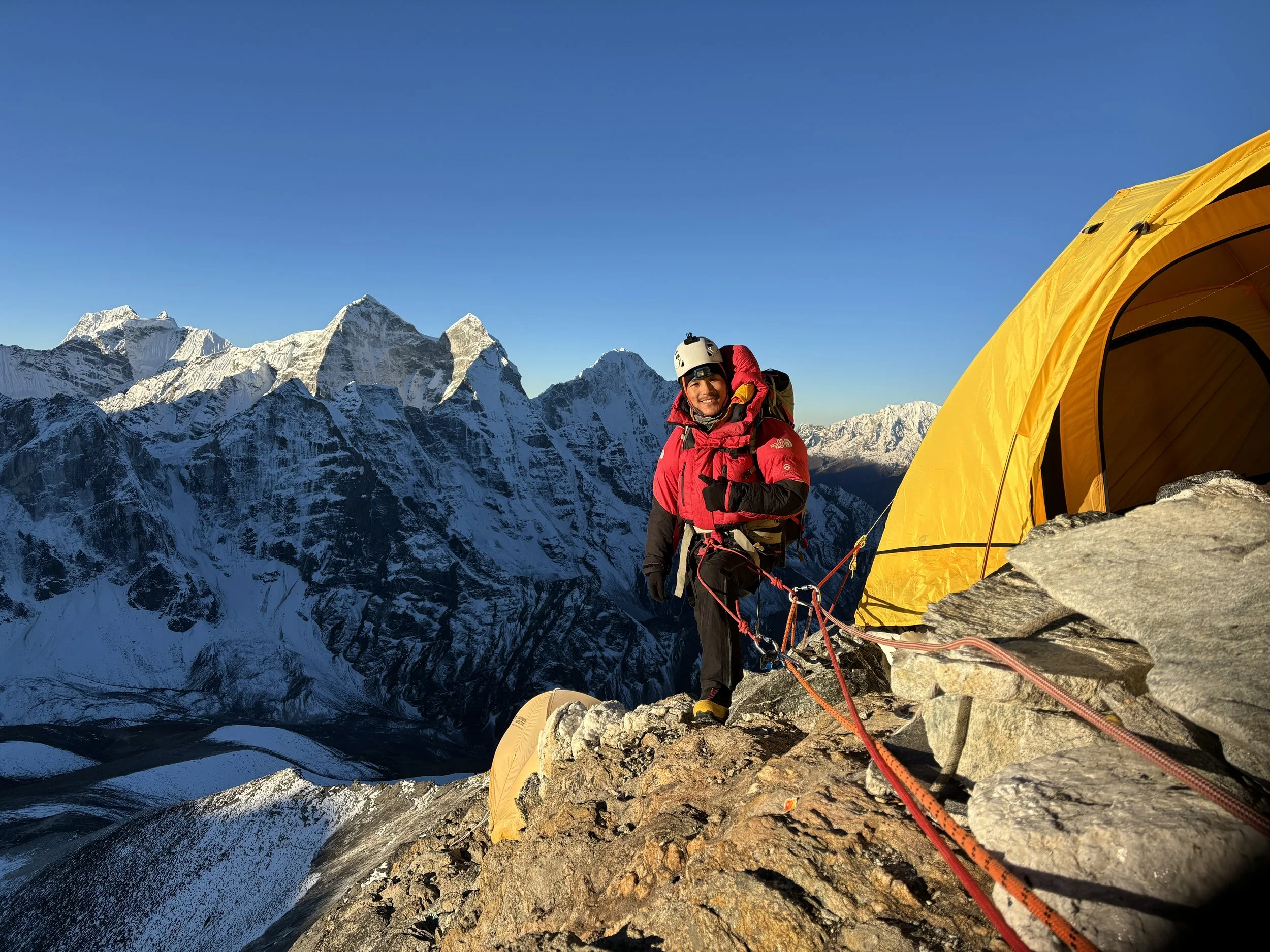
A genuine mountaineering route through rock, ice and snow — fixed ropes, jumars and three high camps above Base Camp.
Everest Summit Views
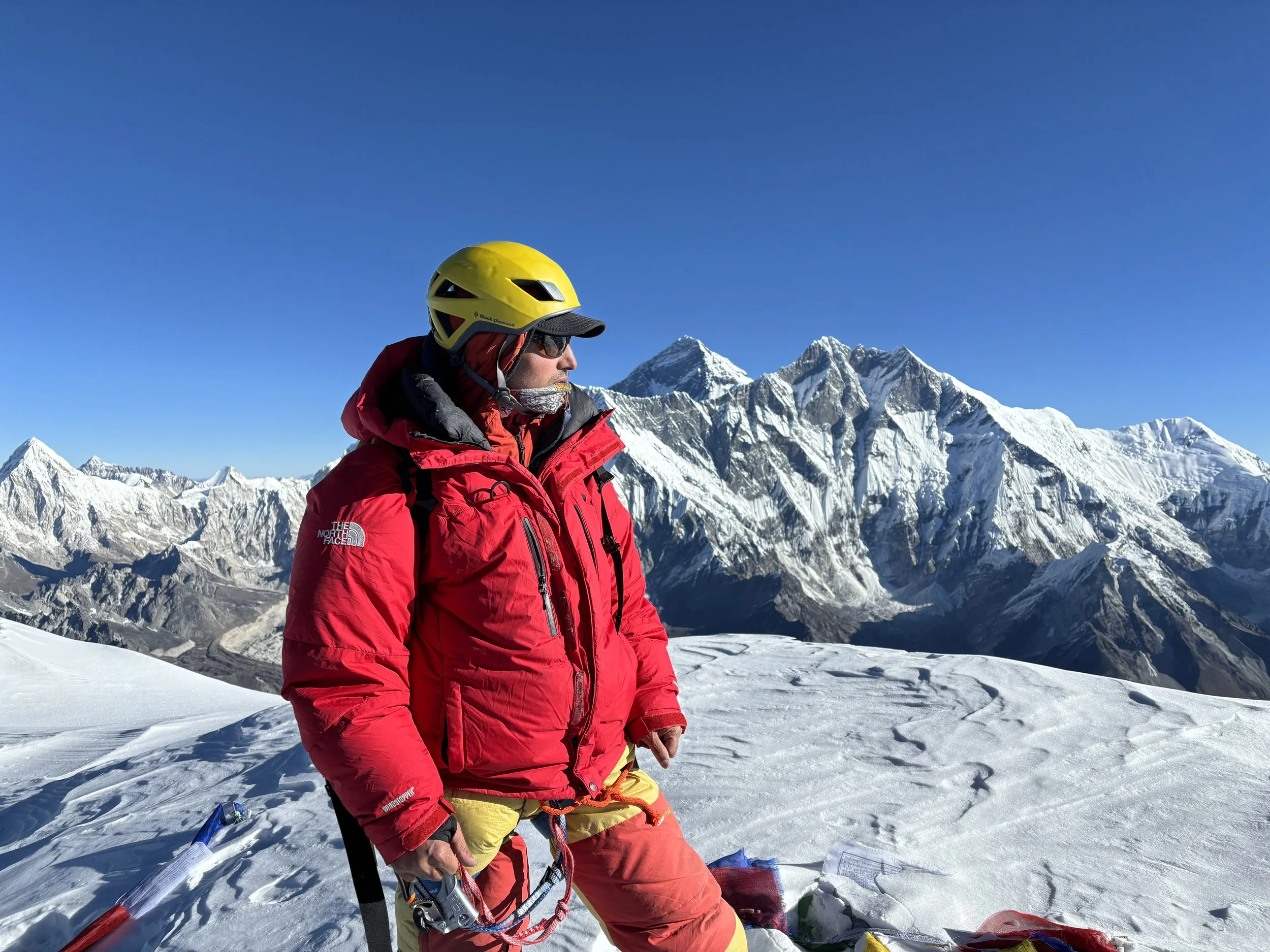
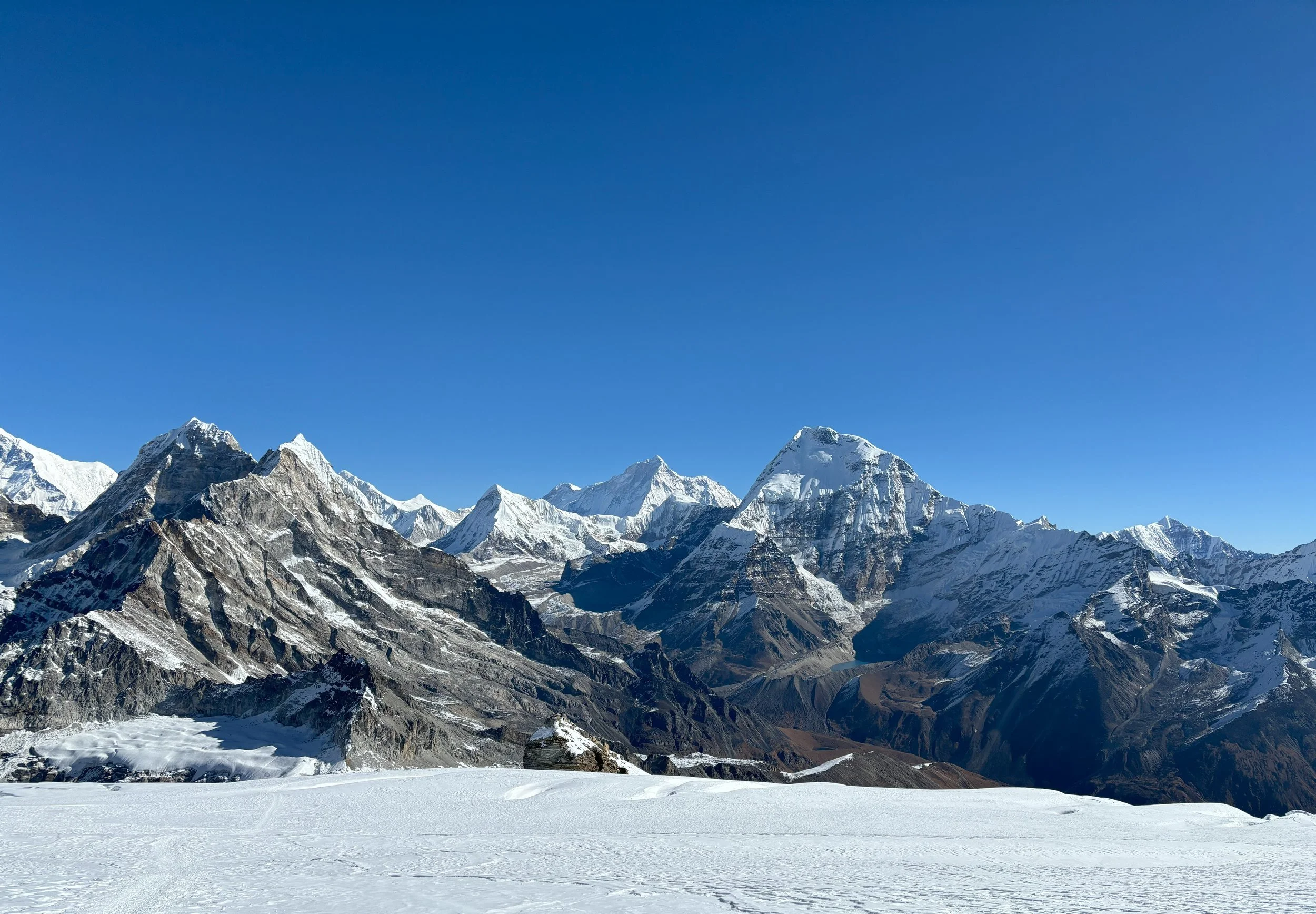
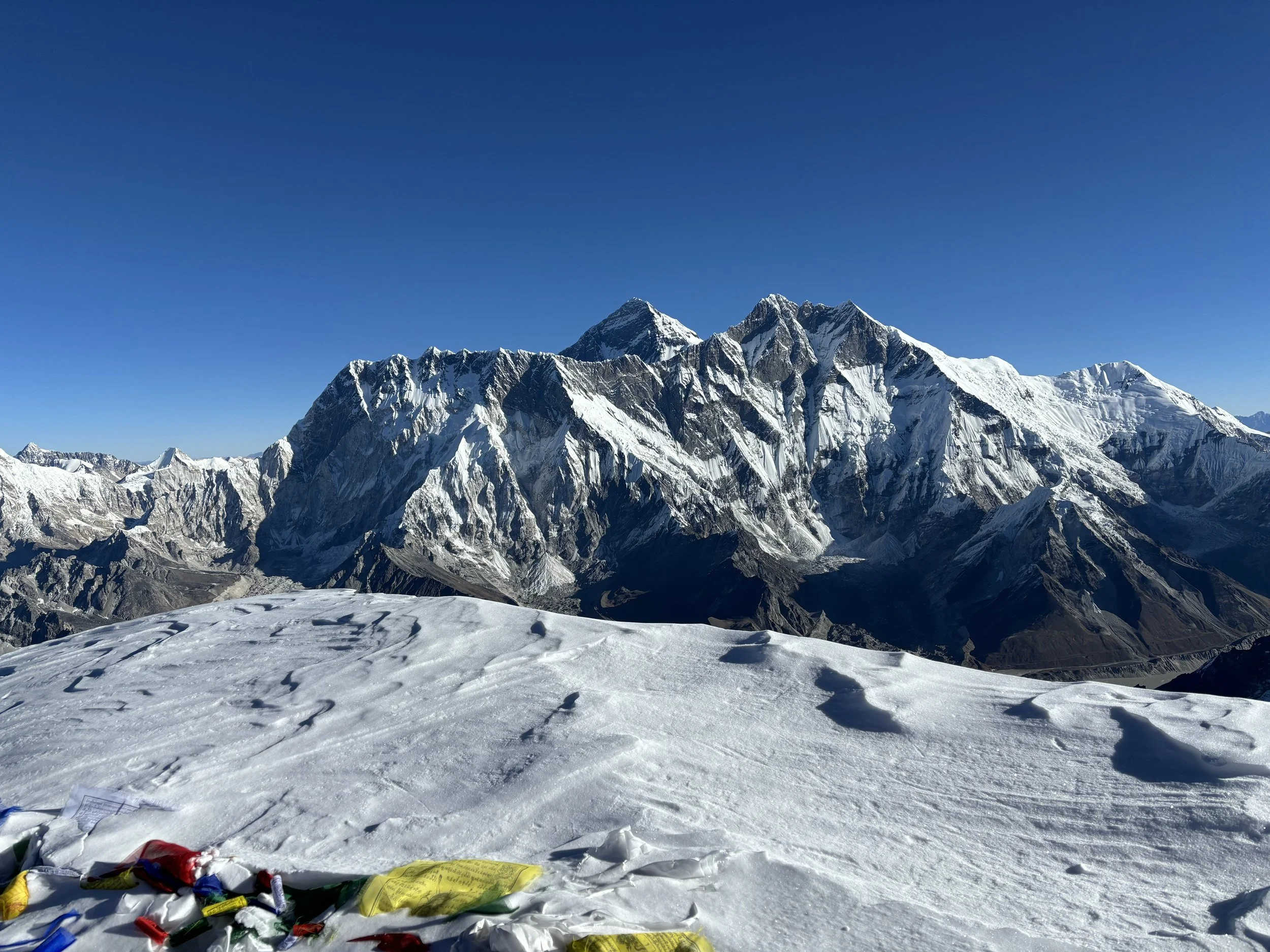
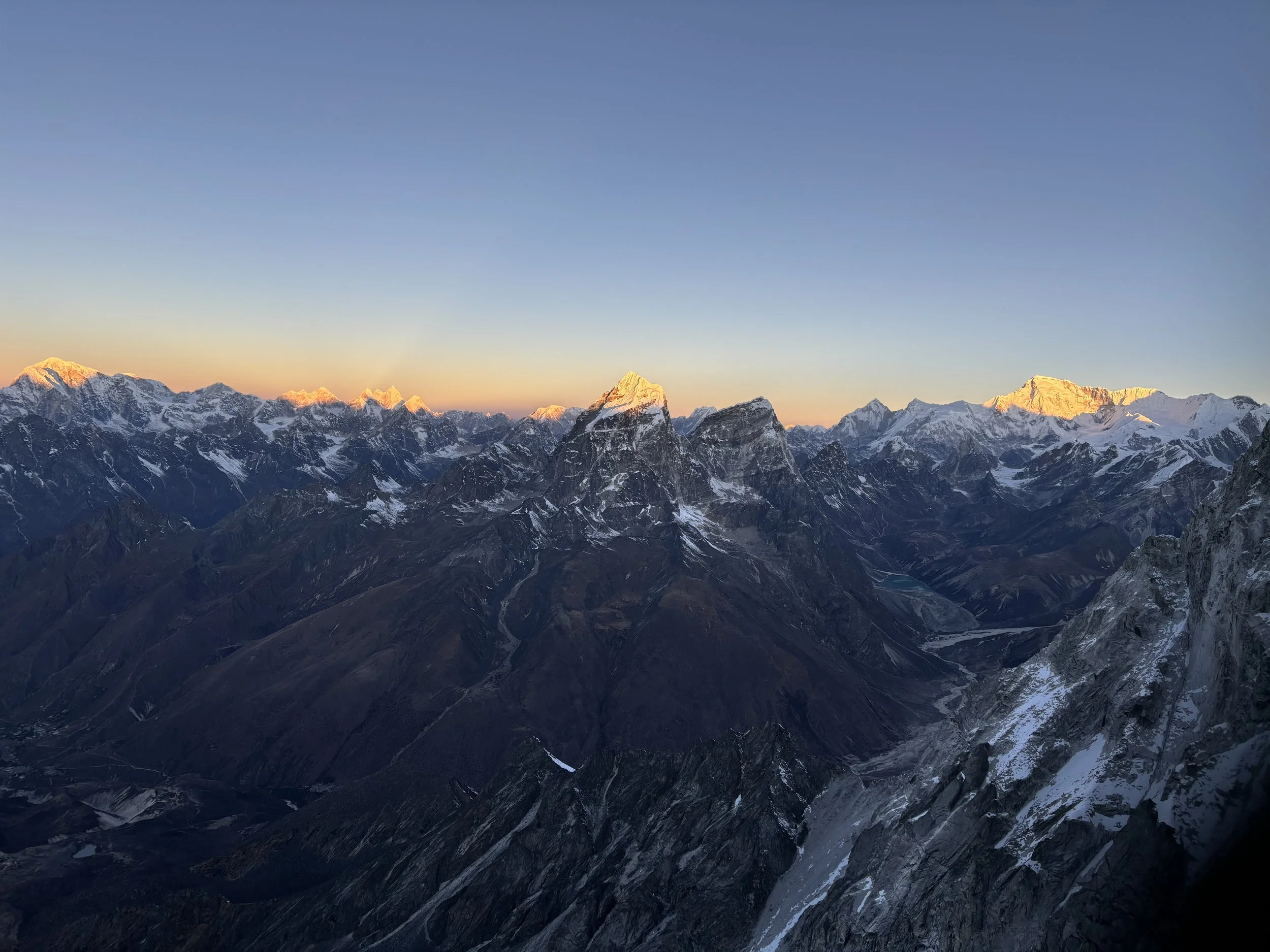
From the top: Everest, Lhotse, Makalu, Cho Oyu, Pumori, Cholatse, Thamserku and the entire Khumbu massif in one sweep.
Small Team, Big Logistics
We cap every Ama Dablam departure at 8 climbers. Full Base Camp infrastructure, high-altitude Sherpa support, and 3:1 rotation ratio.
The Expedition
A 30-day program built for genuine acclimatization and technical preparation — the Khumbu approach, base camp rotations, then the southwest ridge to 6,812m.
support_agent Direct Support
Questions about training, gear or previous experience? Message our lead guide directly.
Phase I: Arrival & Preparation
Arrival at Tribhuvan International Airport, transfer to your hotel and evening briefing on the route, gear check and team introductions.
Full day in Kathmandu for permit processing, gear rental and final equipment checks, plus a guided sightseeing tour of the valley's UNESCO heritage sites.
Phase II: The Everest Highway
Early morning flight to Lukla (2,840m). Meet the crew, then a gentle acclimatization trek down the Dudh Koshi valley to Phakding.
Cross the famous Hillary Suspension Bridge and climb through pine forest to Namche Bazaar — the bustling Sherpa capital of the Khumbu.
Hike up to the Everest View Hotel (3,880m) for the first clear views of Everest, Lhotse and Ama Dablam, then back to Namche for the night.
A beautiful traverse along the Khumbu valley with Ama Dablam dominating the skyline. The trail passes through Tengboche and drops down to the river before climbing to Dibuche (also known as Deboche).
A short climb above the tree line to Pangboche, home to the oldest monastery in the Khumbu region. A short acclimatization walk in the afternoon.
Climb to Ama Dablam Base Camp, a spectacular meadow directly beneath the mountain's southwest face. Set up camp, meet the Sherpa team, and settle into Base Camp routine.
A rest and preparation day at Base Camp — Puja ceremony with the Sherpa team, rope and jumar skills refresher, final gear sorting before the first rotation.
Phase III: Rotations & Acclimatization
First rotation: ascend the rocky slabs and mixed ground to Camp I (5,700m) on the south ridge. Fixed ropes throughout. Sleep at Camp I, then descend to Base Camp to begin the acclimatization cycle.
Second, deeper rotation: return to Camp I, then push across the famous Ama Dablam "Mushroom Ridge" to Camp II (6,000m) on the hanging glacier. Sleep at Camp II if conditions allow, then descend to Base Camp for the final rest before the summit push.
Phase IV: Summit Push & Return
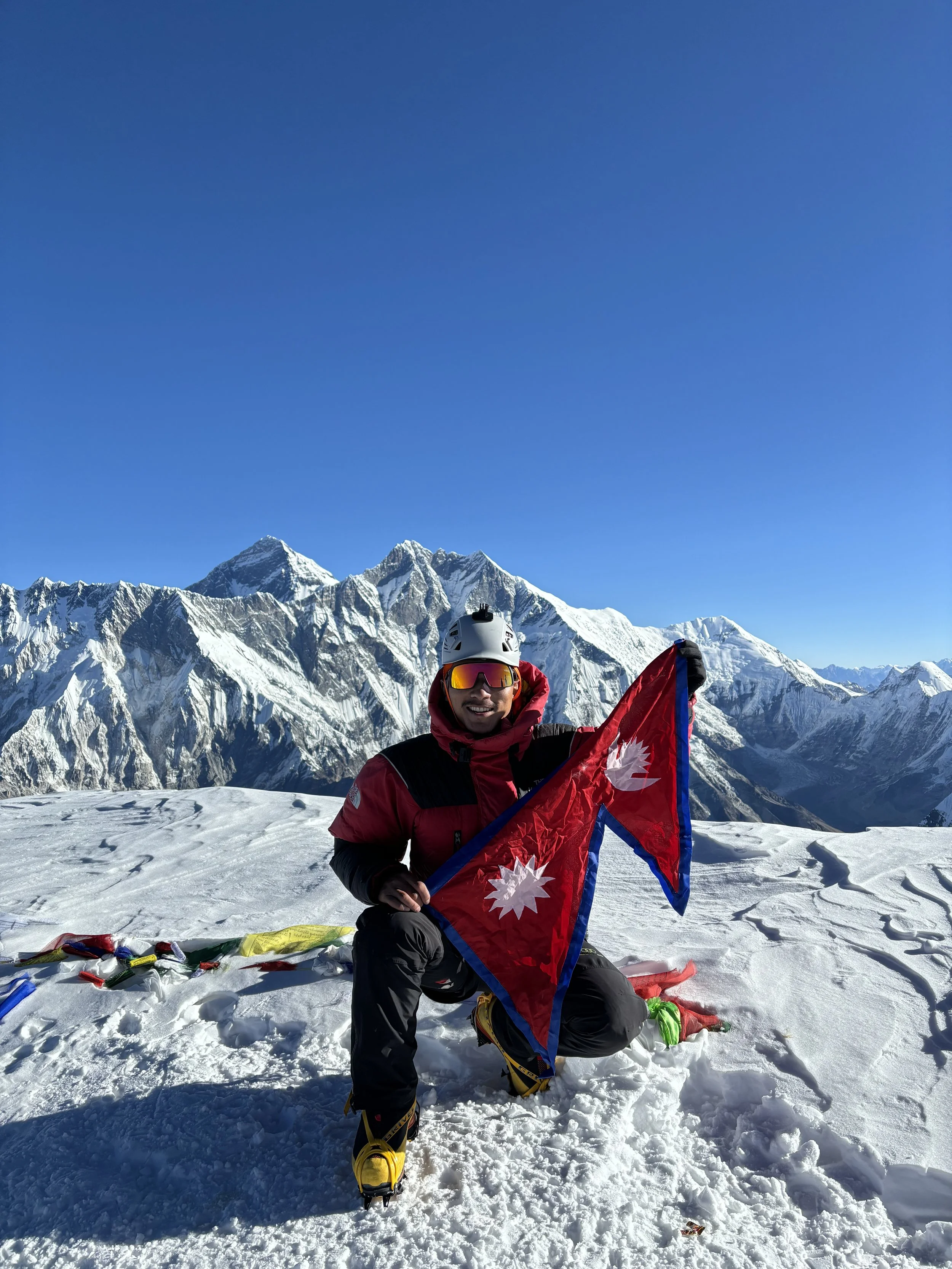
The summit push: ascend to Camp I, then Camp II, then start the final summit day around midnight. Climb the steep, technical headwall on fixed ropes, traverse the summit ridge, and stand on the summit of Ama Dablam (6,812m) at sunrise — Everest, Lhotse and Makalu on the horizon. Descend all the way to Base Camp.
Pack up Base Camp and descend all the way through Pangboche, Dibuche and Tengboche back to the bustling Sherpa capital of Namche. Celebration dinner in town.
The final trekking day back down the Dudh Koshi valley to Lukla. Celebration dinner with the crew.
Morning flight back to Kathmandu. Afternoon free — rest, laundry, or a celebratory meal in Thamel.
A free day in Kathmandu. Optional guided tour to Boudhanath, Pashupatinath or Swayambhunath, or a relaxed day shopping for souvenirs.
Transfer to Tribhuvan International Airport for your departure flight home — with summit memories and the blessings of the Khumbu.
Key Points on the Route
Lukla (2,840m)
The legendary gateway to the Khumbu — one of the world's most dramatic airstrips, perched on a mountainside with a single uphill runway.
Namche Bazaar (3,440m)
The bustling Sherpa capital of the Khumbu — bakeries, gear shops and the legendary Irish Pub, all built into a horseshoe-shaped bowl.
Tengboche Monastery (3,870m)
The largest gompa in the Khumbu region — a spiritual heart of the valley with a backdrop of Ama Dablam that has to be seen to be believed.
Pangboche (3,990m)
Home to the oldest monastery in the Khumbu, and our last village stop before turning onto the mountain itself.
Ama Dablam Base Camp (4,450m)
A grassy meadow directly beneath the southwest face — with full expedition infrastructure, Puja altar, dining tent and comms setup.
The Summit (6,812m)
Rock, ice and snow on the southwest ridge — a true mountaineering objective with an unobstructed panorama of the Everest massif.
Visions of Ama Dablam
Life on the Ridge
Camp I on the southwest ridge — 5,700m.
Khumbu Massif
Alpenglow at 6,000m
Nepal on the Summit
The reward for a 30-day expedition.
Preparing for Ama Dablam
Fitness & Training
Build endurance with hiking, running and step training 4-6 months out. You should be comfortable with 8-hour days at altitude and have prior experience using crampons and an ice axe.
Technical Gear
B3 boots, technical crampons, harness, ice axe, jumar, belay device, down suit or heavy down jacket, and a -30°C sleeping bag. Rental available in Kathmandu.
Prior Experience
Ideally a previous 6,000m summit such as Island Peak, Lobuche or Mera Peak. A full skills refresher and Puja ceremony at Base Camp prepares the team.
Logistics
All-inclusive package covering flights to Lukla, Sagarmatha National Park permit, TIMS card and Ama Dablam climbing permit, full Base Camp infrastructure and 3 meals a day on trek.
Safety First
Supplemental oxygen at Base Camp, pulse oximeter checks twice daily, satellite phone on the mountain, and high-altitude Sherpa support with multiple Ama Dablam summits each.
Everest Highway
The approach follows the classic Everest Base Camp trail — Namche, Tengboche, Pangboche — so you climb with the world's greatest peaks in view from start to finish.
What's Included & Excluded
Everything you need to know about what's covered in your Ama Dablam Expedition package.
check_circle Included
- check Transportation to and from Tribhuvan International Airport
- check 3 nights in a 3-star hotel in Kathmandu with breakfast
- check One day local sightseeing in Kathmandu Valley
- check Round-trip flight Kathmandu – Lukla – Kathmandu
- check Local lodges throughout the trek
- check 3 meals a day during the trek including tea & coffee
- check Sagarmatha National Park permit + TIMS card + local trekking permit
- check Ama Dablam climbing permit
- check Full Base Camp setup: dining tent, kitchen, comms, Puja ceremony
- check High-altitude Sherpa support and group climbing equipment
- check Satellite phone for emergency communication
- check Experienced English-speaking Nepali climbing guide and Sherpa staff
cancel Excluded
- close International flight to and from Kathmandu, and Nepal visa
- close Personal medical and travel insurance (rescue & emergency costs)
- close Extra costs associated with natural disaster, bad weather or emergencies
- close Lunch and dinner in Kathmandu (breakfast included with hotels)
- close All beverages beyond tea and coffee
- close Personal climbing gear (available for rent in Kathmandu)
- close Gratuities / tips for guide, Sherpa and porters
- close Any services not explicitly listed above
Dates & Availability
Ama Dablam has two main climbing seasons — spring (April-May) and autumn (October-November).
Why Choose Himalayan Zen
A technical Himalayan summit deserves a team that has stood on it many times before.
Everest-Trained Leadership
Led by Everest summiteers and Sherpa guides with decades of Himalayan climbing — including multiple Ama Dablam summits each.
Small Team, Close Ratio
We cap every Ama Dablam departure at 8 climbers, with high-altitude Sherpa support at a maximum 3:1 ratio on summit day.
Full Base Camp Infrastructure
Dining tent, heated kitchen, comms setup and a Puja ceremony — everything you'd expect from a serious expedition, not a trekking peak.
Daily Health Monitoring
Twice-daily pulse and oxygen checks at altitude, supplemental oxygen at Base Camp, and satellite phone support on the mountain.
Our Lead Guides
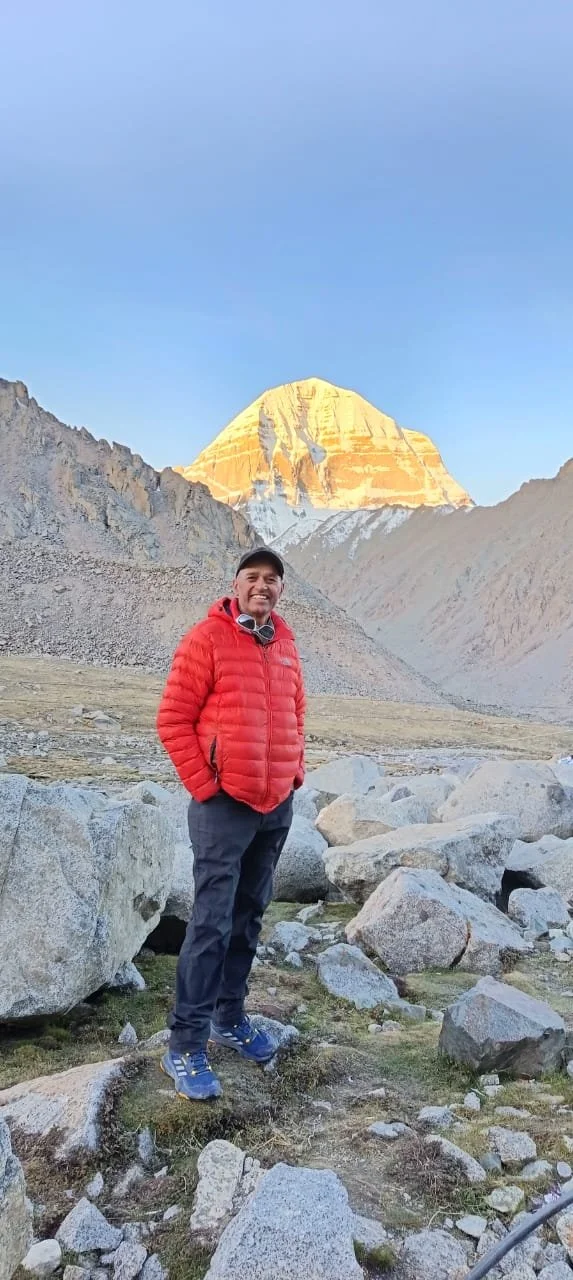
Moti Bhattarai
Over four decades guiding in the Nepal Himalaya — including more than 70 Kailash treks — Moti's calm, patient leadership underpins every Ama Dablam expedition.
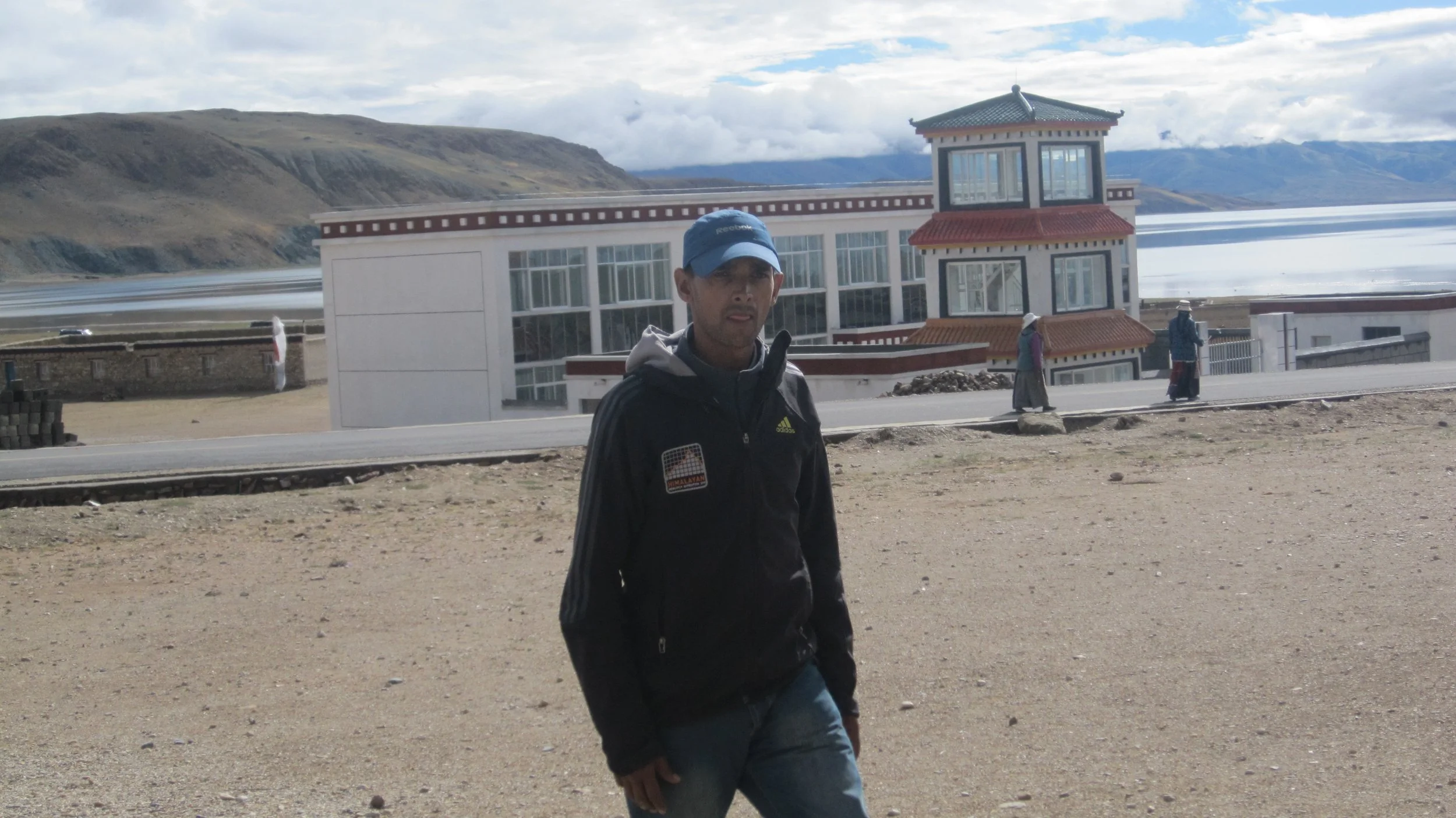
Anil Bhattarai
Anil summited Everest in 2005 and has led treks and expeditions across the Himalayas for nearly thirty years — his experience shapes every safety decision on summit day.
What Climbers Say About Ama Dablam
Technical, wild, and utterly worth it
The southwest ridge of Ama Dablam is the most technical route I've ever climbed. Fixed ropes, mixed ground, the Mushroom Ridge — every pitch had something new. Anil's call to delay the summit push by a day was spot on. We got a perfect weather window and stood on top at sunrise.
read more +Base Camp felt like a small expedition village
Dining tent, heated kitchen, comms setup, Puja ceremony — Himalayan Zen ran Ama Dablam Base Camp like a proper expedition, not a trekking peak. The rotations were perfectly paced, and the Sherpa team was world-class. I felt completely safe the whole way.
read more +The most beautiful mountain — for good reason
You see Ama Dablam from the very first day of the trek and you can't take your eyes off it. Standing on its summit looking straight at Everest is the moment I'll remember for the rest of my life. Himalayan Zen's 30-day schedule made the whole thing feel manageable.
read more +You May Also Like
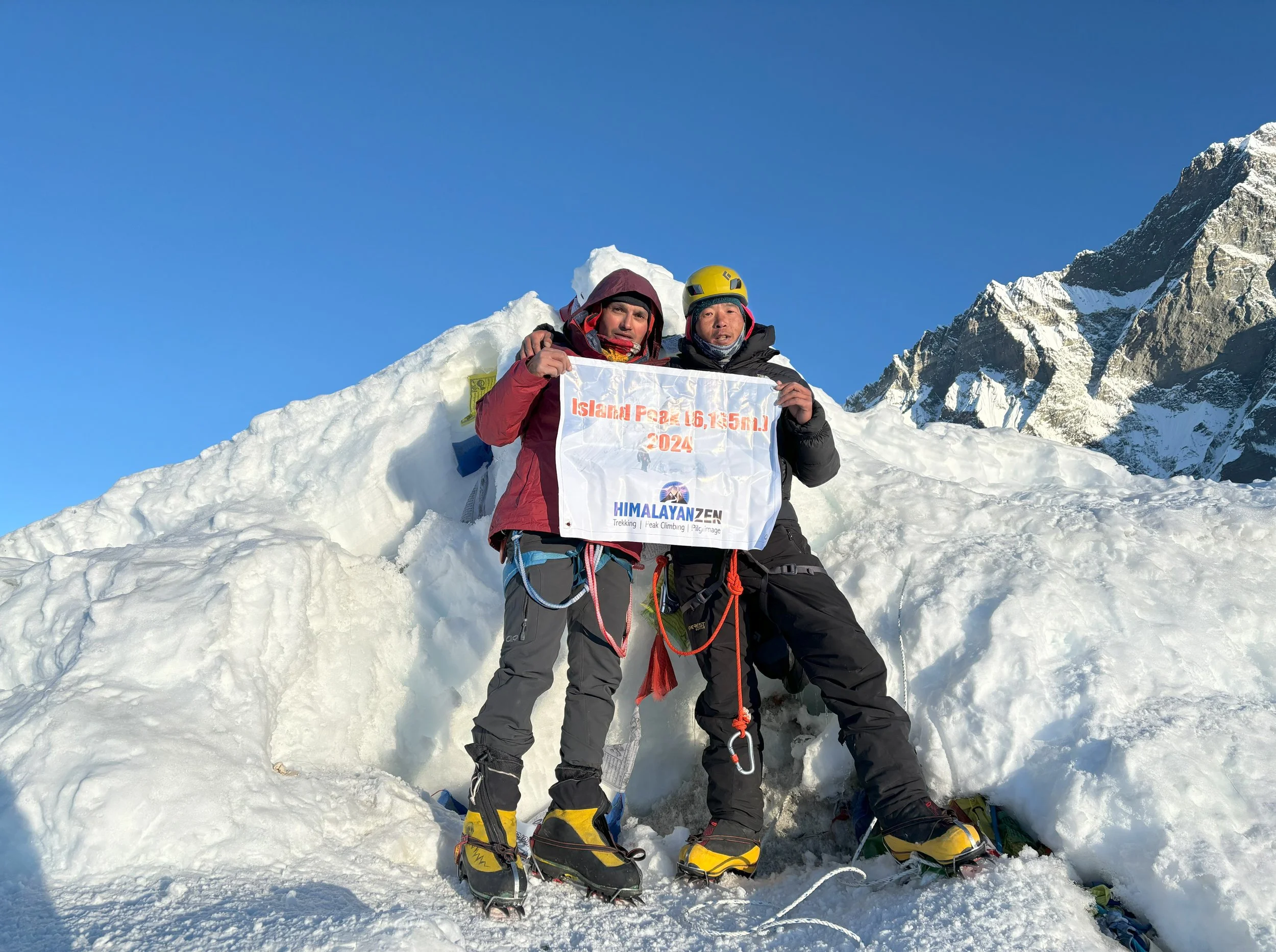
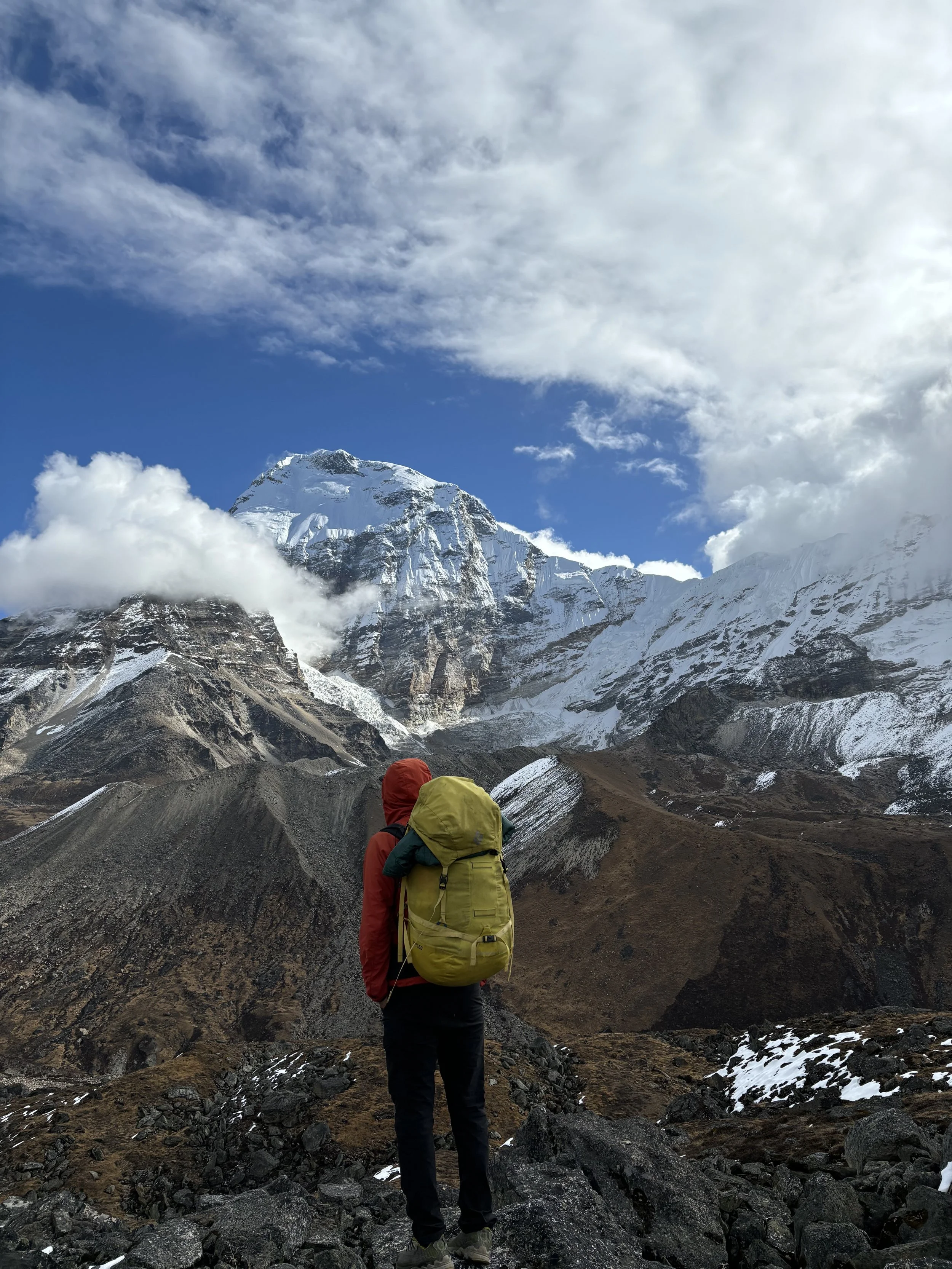
Ready to Climb Ama Dablam?
Summit permits are limited each season and Lukla flights fill fast. Secure your place on one of the world's most beautiful technical peaks.
schedule Guides typically reply within 1 hour