

Mera Peak Expedition — 6,476m
Nepal's highest trekking peak. A non-technical Himalayan climb with sweeping views of Everest, Lhotse, Makalu, Cho Oyu and Kanchenjunga — perfect as a first 6,000m summit.
Begin AscentOverview
Mera Peak is Nepal's highest trekking peak — a physically demanding yet non-technical Himalayan climb that introduces you to glacier travel and high-altitude mountaineering in the remote Hinku Valley.
Highest Trekking Peak
At 6,476m, Mera Peak is the tallest of Nepal's official trekking peaks — a summit many consider the perfect first Himalayan climb.
Five 8,000m Views
From the summit you'll see Everest, Lhotse, Makalu, Cho Oyu and Kanchenjunga in a single, uninterrupted 360° panorama.
Remote Hinku Valley
The approach through the Hinku and Hongu valleys is wild, untouched and far quieter than the main Everest highway.
Glacier Skills
Learn crampon technique, rope work and glacier travel with our Sherpa team — a genuine skills stepping stone for future climbs.
The Climb
A paced route with two full acclimatization days, glacier training at Khare, and a pre-dawn summit push from high camp.
support_agent Direct Support
Questions about training or gear? Message our lead guide directly.



Phase I: Arrival & Preparation
Arrival at Tribhuvan International Airport and transfer to your hotel in Kathmandu. Evening briefing on the route, gear check and team introductions.
Full day in Kathmandu for permit processing, gear rental if needed, and a guided sightseeing tour of the valley's UNESCO heritage sites. Final packing and pre-climb briefing.
Phase II: The Hinku Valley Approach
The iconic early morning flight to Lukla (2,840m) kicks off the adventure. After meeting the crew, we trek a short day to Chhuthang through rhododendron and pine forest.
A challenging climbing day over the Zatrawala Pass at 4,600m, rewarded with our first big Himalayan views. Descend to Tuli Kharka for the night.
We enter the remote Hinku Valley, descending through bamboo and forest to the small settlement of Kothe, tucked beneath the Hinku Himal.
The valley widens into high alpine terrain as we climb gently to Thangnak — our first true high-altitude village and the base for tomorrow's acclimatization.
Phase III: Acclimatization & Summit Push
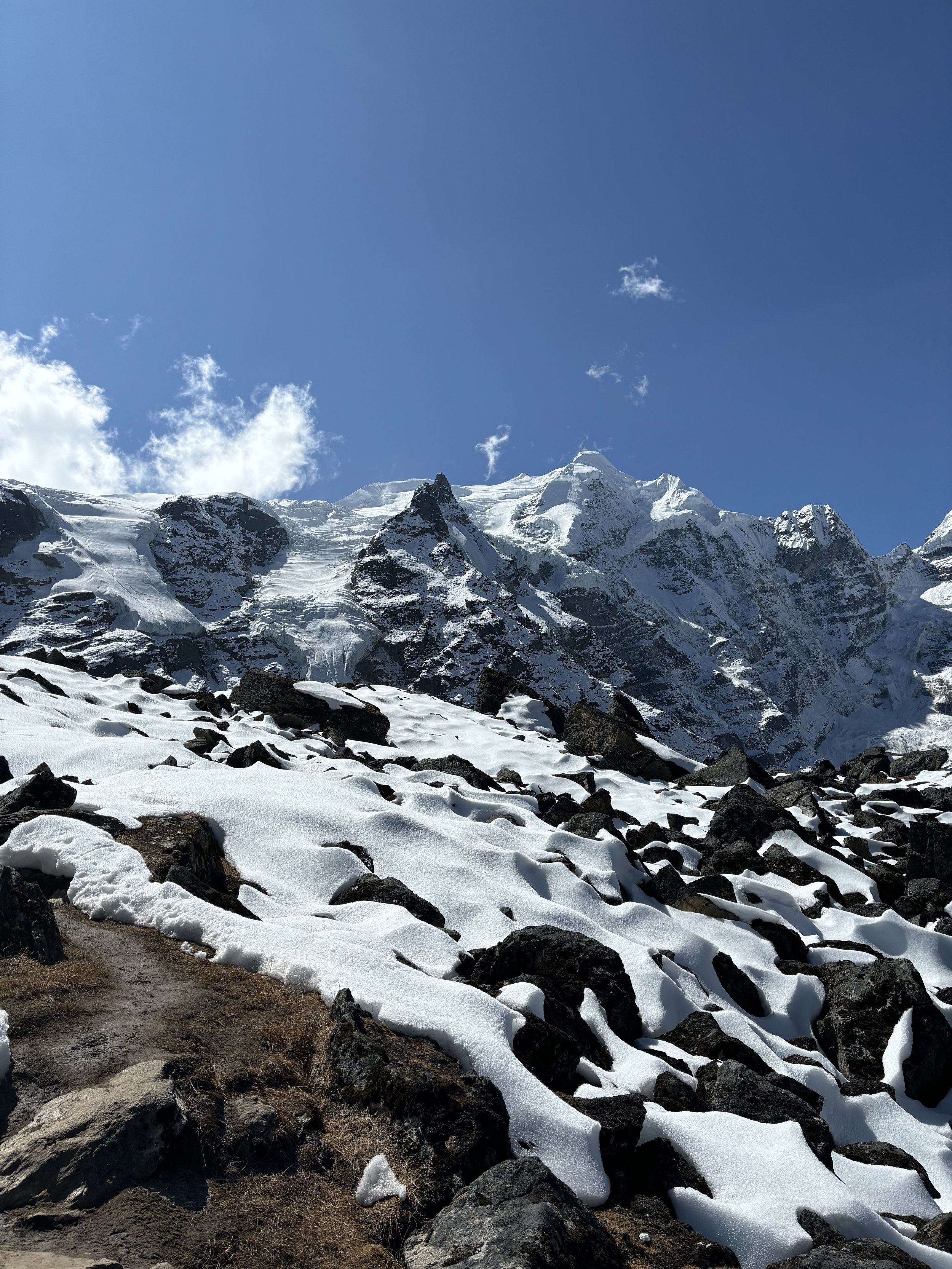
A full rest day to acclimatize. A short hike to a nearby viewpoint helps altitude adaptation and offers the first direct view of Mera Peak's north face.
A short but steep climb to Khare, the last village before the glacier. Afternoon gear check for crampons, harness and ice axe in preparation for the glacier training tomorrow.
Hands-on glacier training on the edge of the Mera Glacier — fixed-line ascent, crampon technique, ice-axe arrest and rope work with our Sherpa team. Essential preparation for tomorrow's summit push.
We rope up and step onto the glacier, climbing steadily over snow and ice to Mera High Camp (sometimes called Mera La). An early dinner and rest before the pre-dawn summit push.
We start around 2 AM, climbing the fixed ropes and steep snow slopes in the dark. Reaching the summit at sunrise, the reward is a 360° panorama — Everest, Lhotse, Makalu, Cho Oyu and Kanchenjunga all at once. Descend safely back to Khare.
Phase IV: Return & Departure
A relaxed descent back through the Hinku Valley to Kothe. Overnight at a teahouse.
Climb back up through the forest to Tuli Kharka for the night — the final high camp of the return.
Cross the Zatrawala Pass once more and descend all the way to Lukla. A celebratory dinner with the crew.
Morning flight back to Kathmandu. Rest of the day free for shopping in Thamel or a celebratory meal.
Transfer to Tribhuvan International Airport for your departure flight — carrying summit memories and the blessings of the Khumbu.
Key Points on the Route
Lukla (2,840m)
The legendary gateway to the Khumbu — one of the world's most dramatic airstrips, perched on a mountainside with a single uphill runway.
Zatrawala Pass (4,600m)
The high threshold between the Lukla valley and the remote Hinku — the first real test of altitude and reward for the climb ahead.
Hinku Valley
A pristine, sparsely populated valley deep in the Khumbu region — Sherpa herding culture, bamboo forest and untouched alpine terrain.
Khare (5,045m)
The last settlement before the glacier and the base for glacier training. From here the real mountaineering begins.
Mera High Camp (5,800m)
Standing directly beneath the summit snowfields, this high camp launches the summit attempt — a night spent roped to the glacier in -20°C.
The Summit (6,476m)
Nepal's highest trekking peak. A 360° panorama from the top takes in Everest, Lhotse, Makalu, Cho Oyu and Kanchenjunga.
Visions of Mera Peak
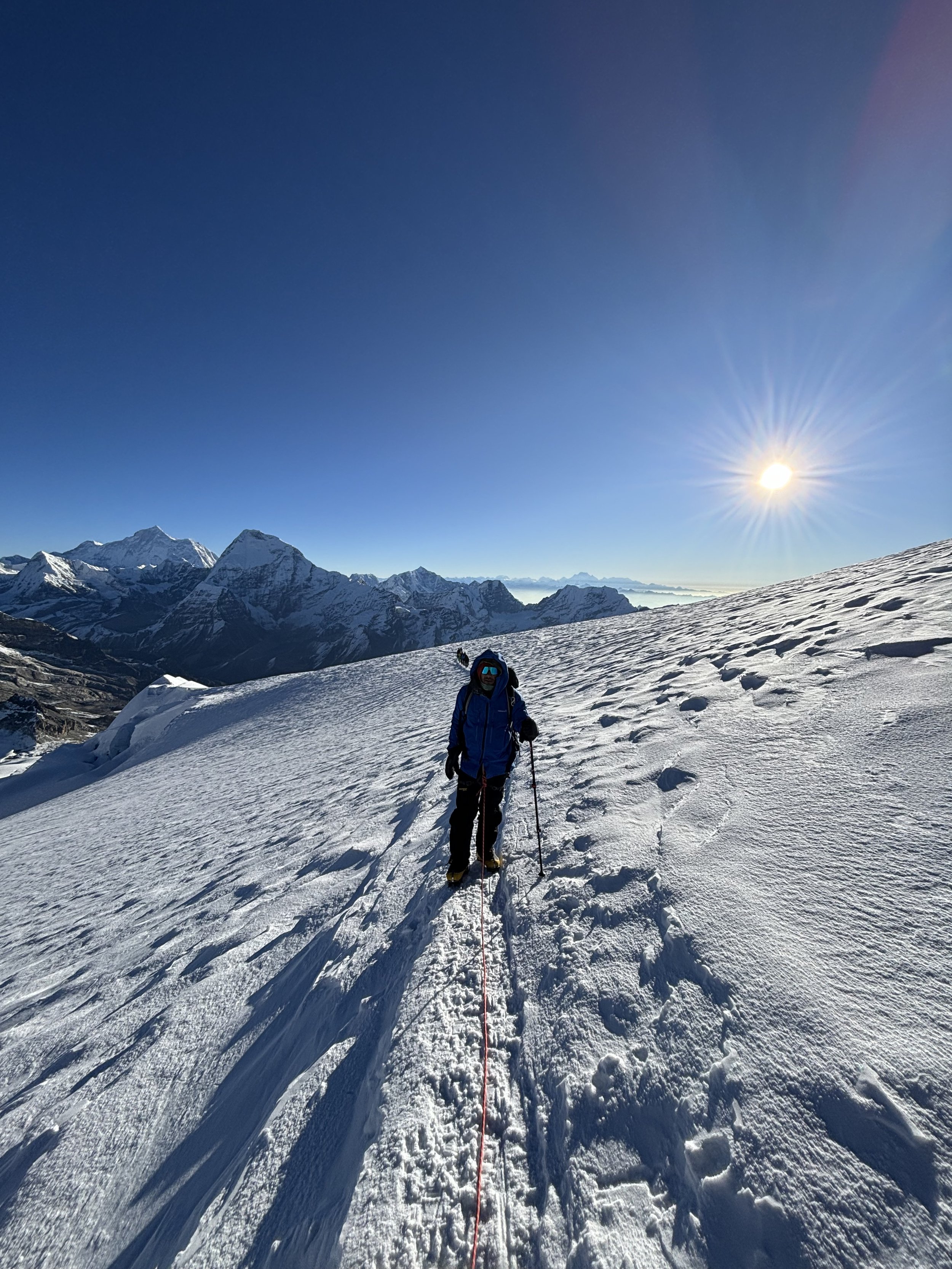
The Final Ridge
Roped and steady on the approach to the summit snowfields.
Rooftop of the World
Dawn from the Summit
The Summit Push
A blue-sky climb to 6,476m.
Preparing for Mera Peak
Fitness & Training
Mera Peak is non-technical but physically demanding. Build endurance with hiking, running and step training 3–4 months out. Aim to comfortably hike 6–8 hours with a loaded pack.
Mountaineering Gear
You'll need B2 mountaineering boots, crampons, harness, ice axe, down jacket and -20°C sleeping bag. Rental gear can be arranged in Kathmandu if needed.
Altitude Mindset
Two acclimatization days give you the best possible chance on summit day. Come with patience, follow the guides' pacing, and treat headaches seriously.
Logistics
All-inclusive package covering flights to Lukla, permits (Khumbu Pasang Lhamu + Mera Peak climbing permit), teahouse lodging and 3 meals a day on trek.
Safety First
Supplemental oxygen at high camp, pulse oximeter checks twice daily, satellite phone on the mountain, and Sherpa guides with 10+ Mera summits each.
Skills Training
A full acclimatization day at Khare includes glacier and crampon training — so first-time mountaineers arrive at high camp confident and prepared.
What's Included & Excluded
Everything you need to know about what's covered in your Mera Peak package.
check_circle Included
- check Airport transfers on arrival and departure
- check 3 nights in a 3-star hotel in Kathmandu with breakfast
- check Guided Kathmandu Valley sightseeing tour
- check Round-trip flight Kathmandu – Lukla – Kathmandu
- check Teahouse lodging throughout the trek
- check 3 meals a day during the trek (tea & coffee included)
- check Khumbu Pasang Lhamu permit + Mera Peak climbing permit
- check TIMS card and Makalu Barun National Park fee
- check Climbing Sherpa, high-altitude gear and group climbing equipment
- check Glacier training at Khare with crampons & ice axe
- check Satellite phone for emergency communication
- check Experienced English-speaking Nepali climbing guide
cancel Excluded
- close International airfare to and from Kathmandu
- close Nepal visa fees (available on arrival)
- close Personal medical and travel insurance (must cover 6,500m)
- close Emergency helicopter evacuation costs
- close Lunch and dinner in Kathmandu (breakfast included)
- close All drinks beyond tea and coffee
- close Personal climbing gear (available for rent in Kathmandu)
- close Gratuities / tips for guide, Sherpa and porters
- close Costs arising from delays, weather or natural events
Dates & Availability
Mera Peak has two main climbing seasons — spring (March–May) and autumn (October–December).
Why Choose Himalayan Zen
A 6,000m summit deserves a team that has stood on it many times before.
Everest-Trained Leadership
Led by Everest summiteers and Sherpa guides with decades of Himalayan climbing — including 10+ Mera summits each.
Small Team, Close Ratio
We cap every Mera departure at 12 climbers with a maximum 4:1 climber-to-guide ratio on summit day.
Real Skills Training
A full glacier and rope day at Khare — so you arrive at high camp confident, competent and calm.
Daily Health Monitoring
Twice-daily pulse and oxygen checks at altitude, supplemental oxygen at high camp, and satellite phone support.
Our Lead Guides
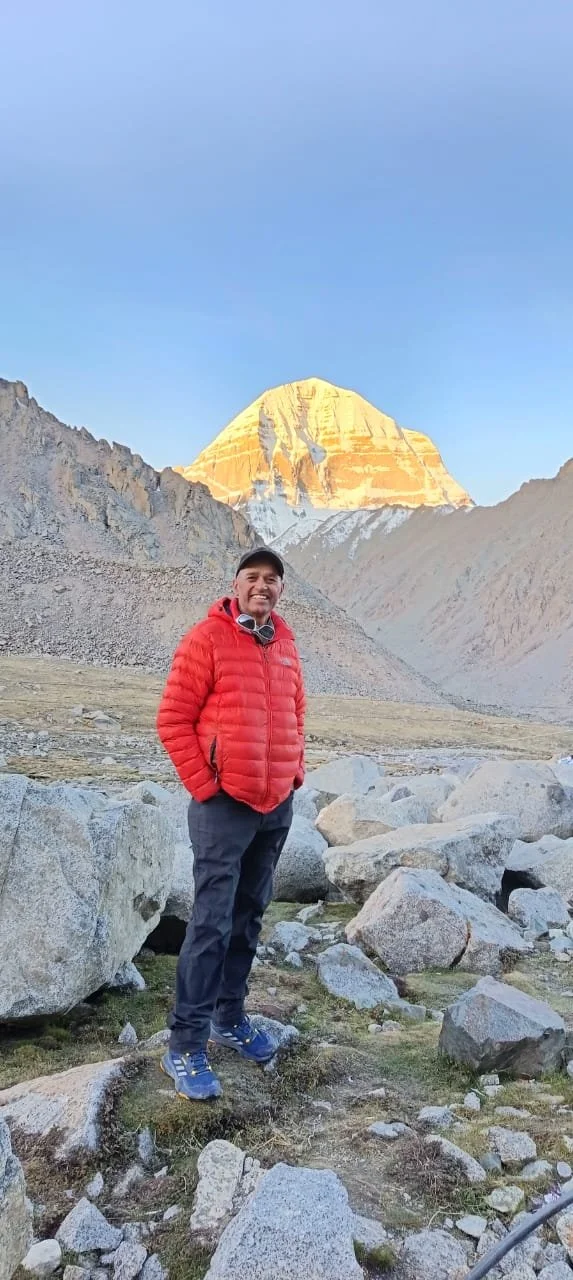
Moti Bhattarai
Over four decades guiding in the Nepal Himalaya — including more than 70 Kailash treks — Moti's calm, patient leadership underpins every Mera Peak expedition.
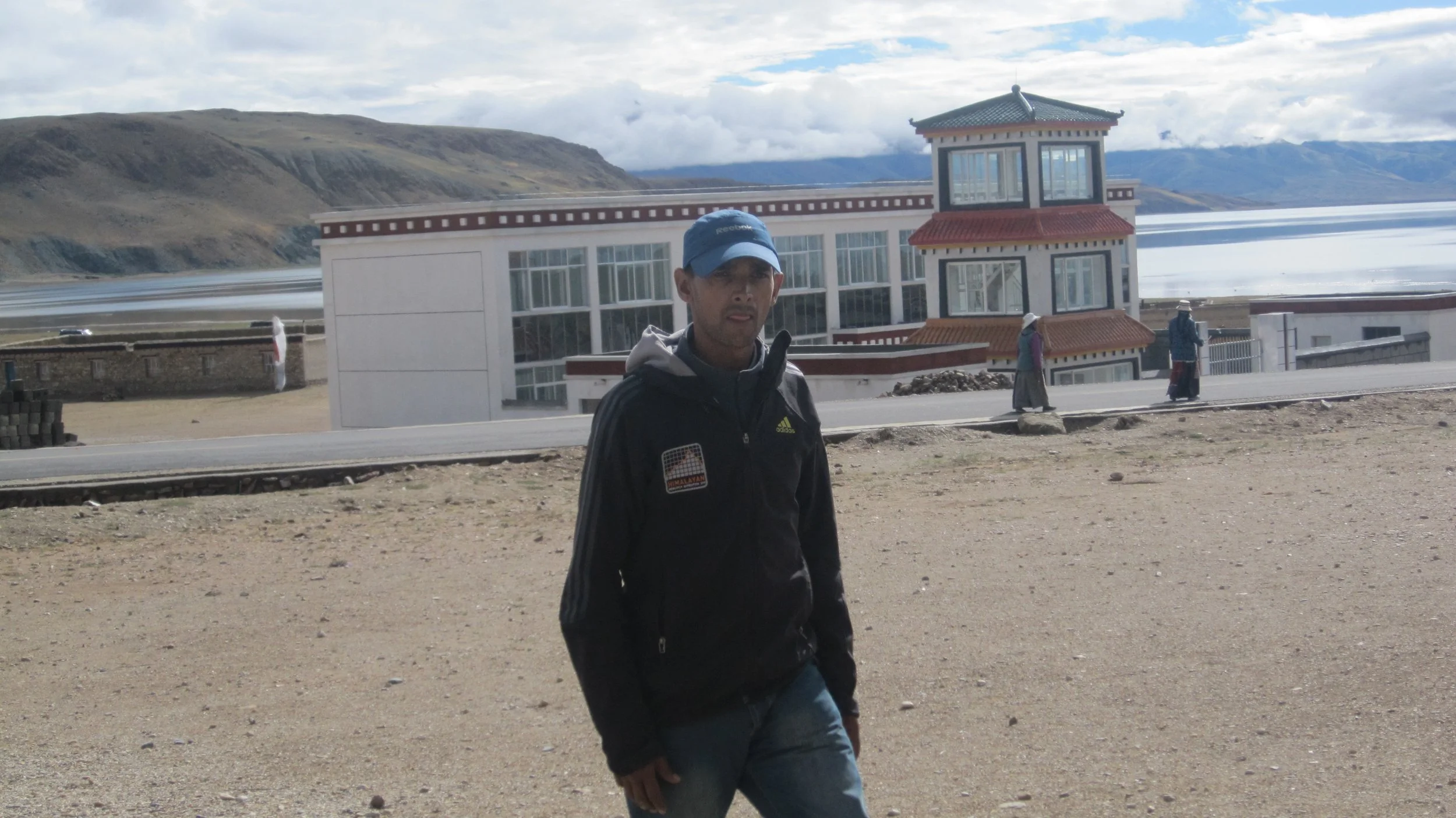
Anil Bhattarai
Anil summited Everest in 2005 and has led treks and expeditions across the Himalayas for nearly thirty years — his experience shapes every safety decision on summit day.
What Climbers Say About Mera Peak
My first 6,000m — and I felt completely prepared
I had never worn crampons before Mera Peak. The glacier training day at Khare was brilliant — by the time we left high camp, using the fixed lines felt second nature. Standing on the summit at sunrise watching Everest glow orange is a memory I'll keep forever.
read more +Anil's experience made the difference on summit day
Anil watched the weather all night and made the call to leave at 1:45 AM rather than 2:30 — we reached the summit in perfect conditions and were down before the wind picked up. That kind of judgment only comes from years on the mountain.
read more +Wild Hinku Valley, superb logistics
The Hinku approach is so much quieter than the Everest highway — we saw almost no other trekkers. Permits, Lukla flights, teahouses, all flawless. Himalayan Zen handled every detail and the crew felt like family by the end.
read more +You May Also Like

Ready to Climb Mera Peak?
Summit permits are limited each season and Lukla flights fill fast. Secure your place on Nepal's highest trekking peak.